Whether technology serves people depends on decisions made inside organisations.

Ethicode helps organisations reach decisions about technology they can stand behind, based on research and judgement.

The practice

Ethicode is a research practice for organisations that make and use technology. We help them answer questions the law does not settle.

What is worth building.

We identify which new ways of using technology create value that an organisation can stand behind.

Where to draw the line.

We help organisations anticipate risks early.

How to act on those judgments.

We translate ethical judgment into policy, governance, and training.

What we do

We research

We structure messy domains and crystallise insights from the academic literature, emerging regulation, expert judgment, public debate, and the record of what has actually gone wrong.

We structure judgment

We design sessions to work through a problem and surface trade-offs together with you and your team.

We advise

We help you making the case for the decision internally, and setting criteria so the next case doesn't start from scratch.

Selected work

Descriptions are shared with permission, and references are available on request.

Trust & safety · Policy expansion review2026

What may an image generator do with the face of a real person?

The question

Image-generation models can now create realistic images of identifiable people in situations that never occurred. For one of the world’s largest technology companies, the question was which prohibitions were missing from policy, and why.

The work

We combined policy research with scenario-based testing. First, we reviewed academic literature across law, philosophy, socio-technical studies, and computer science; current and draft regulation in more than a dozen jurisdictions; public debate; expert judgment; and frontline harm documentation.

Second, we used that research to generate a harms taxonomy and corresponding test prompts. We tested these on the image-generation model to identify where existing policy did not prevent harmful outputs. This gave the client a map of policy gaps grounded in observed model behaviour.

The deliverable

We gave the client a map of where its image-generation policy fell short. Each of more than twenty recommendations specified the gap it addressed, the harm it was meant to prevent, the evidence behind it, and the strongest argument against adopting it, so the policy team could decide what to change and say why.

Data & compensation · Payment model2025

What is fair payment for sensitive training data?

The question

To train AI systems well, companies often need data that has no ordinary market price. In this case, the data was personal photographs of a sensitive kind. The ethical problem was to avoid two failures at once: paying so little that the arrangement becomes exploitative, and paying so much that consent is distorted by inducement.

The work

We built a framework for pricing sensitive training data. The work drew on analogous domains where payment is permitted but ethically constrained: research participation, medical trials, data work, biospecimen donation, and institutional compensation schemes.

We connected those cases to the academic literature on exploitation, undue inducement, vulnerability, consent, and fair pay. The resulting model answered the question what companies should pay, in different regions, when the data is sensitive, the participants may face unequal bargaining power, and both underpayment and overpayment create ethical risks.

The deliverable

We delivered a payment model with region-specific figures, fair-pay ranges, and safeguards against exploitation, inducement, and fraud. Rather than a general statement of ethical intent, the model gave the client a defensible basis for payment decisions.

Team

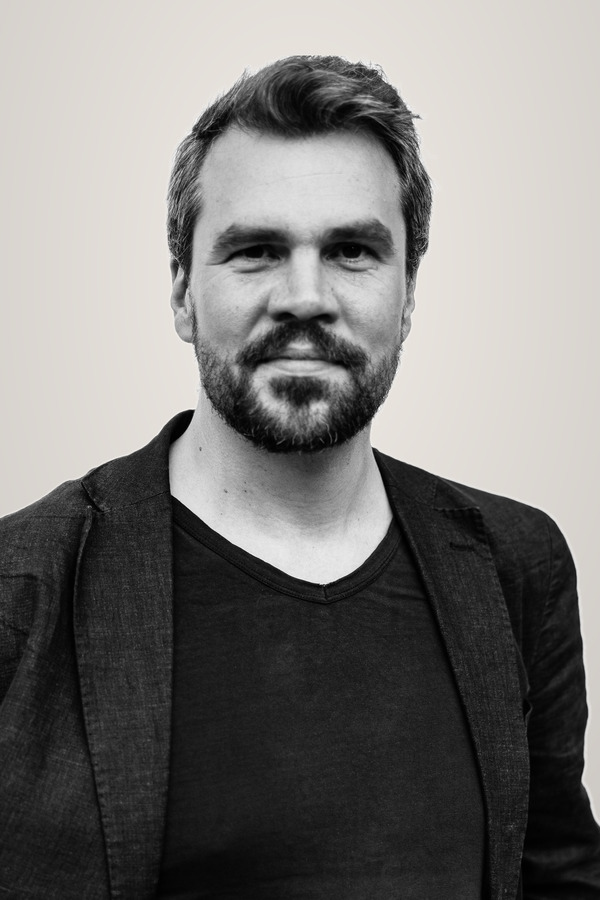
Portrait of Marco Meyer

Marco Meyer

Organisational ethics · Technology governance

Marco has spent more than a decade advising boards and senior leadership at S&P 500 firms on culture and ethical decision-making. Marco studies how organisations come to know, or fail to know, the effects of the technology they build on people, society, and the economy. He leads a research group on organisational ethics at the University of Hamburg. He holds doctorates in philosophy from Cambridge and in economics from Groningen.

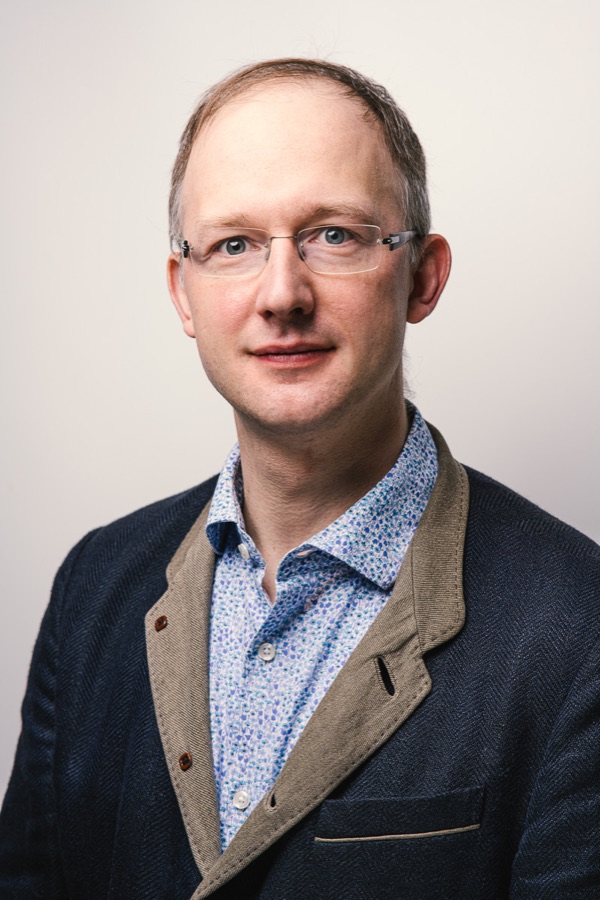
Portrait of Kate Vredenburgh

Kate Vredenburgh

Ethics of AI · Future of work

Kate is Associate Professor of Philosophy at the London School of Economics and a UKRI Future Leaders Fellow, leading a multi-year programme on AI, worker autonomy, and the future of work. Her fellowship studies how AI changes what work is like: whether people keep autonomy, judgement, and a sense of authorship when algorithms enter their jobs. She was previously a postdoctoral fellow at Stanford’s Institute for Human-Centered AI and a visiting scientist on Meta’s Responsible AI team. She holds a doctorate in philosophy from Harvard.

Portrait of Christine Jakobson

Christine Jakobson

Ethics of technology

Christine has spent her career taking hard technology questions into boardrooms. She ran ethics advisory work for Fortune 500 and FTSE 100 leadership teams across technology, finance, energy, and law. She was a Carnegie Ethics Fellow of the Carnegie Council for Ethics in International Affairs (2023 to 2025) and holds a doctorate in moral philosophy from Cambridge and an MSt from Oxford.

Portrait of Wessel Reijers

Wessel Reijers

Philosophy of technology

Wessel is a philosopher of technology at Paderborn University, where he researches the ethics of explainable AI, with visiting positions at the European University Institute and the Technion. Wessel turns ethical and political theory into tools for engineers and policymakers: he co-created the Ethics Canvas, used by engineering teams to map the ethical impact of what they build. He has written on the ethics of emerging technologies, advised on European digital-identity policy, and studied China's Social Credit System. He holds a doctorate in technology ethics from Dublin City University.

Working with Ethicode

We work with organisations when decisions about technology are too consequential to be left to precedent, pressure, or compliance alone.

  1. Scope

    We get up to speed on your question quickly, work out what a good answer has to satisfy, and whether we can add value.

  2. Shape

    The centre of an engagement is a small number of sessions with you and your team, built on research beforehand: the academic literature, the regulation, expert judgment, and the record of what has gone wrong.

  3. Act

    The work ends when the organisation has reasons it can stand behind, language it can use, and a practical way to act on the decision it needs to make.

Talk to us about a technology decision.